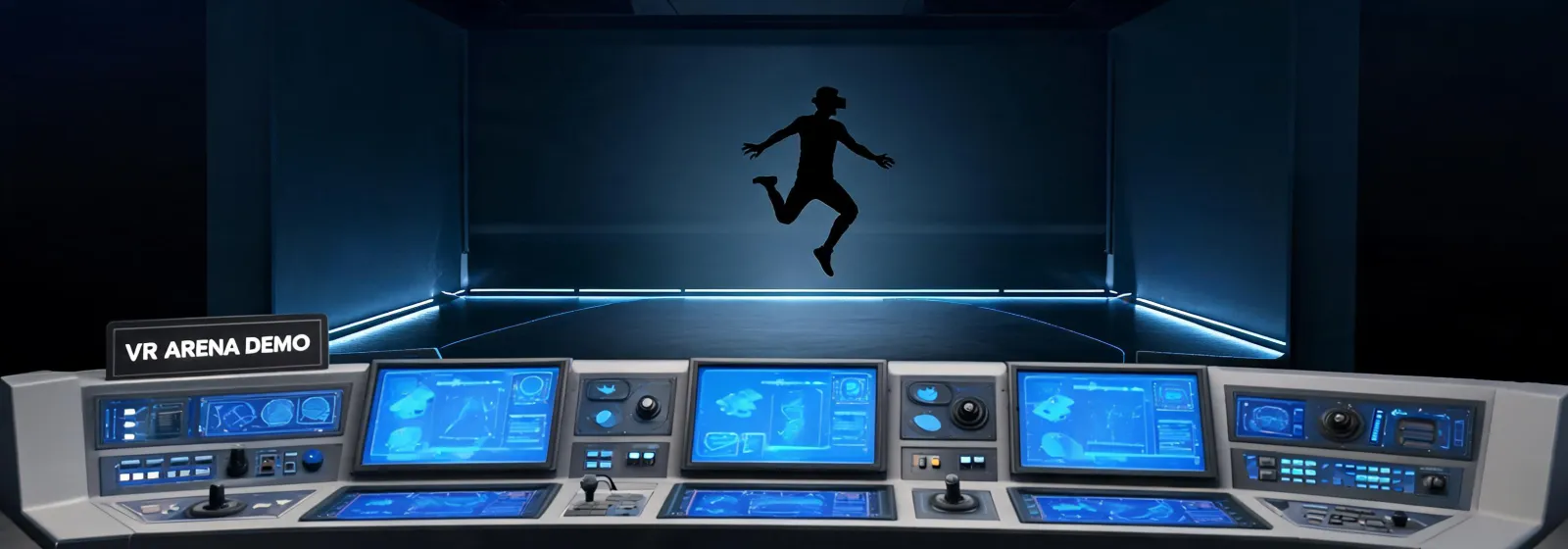
Book a 30-Min Immersive Demo
Bring headset count, host PC spec, runtime target, and opening schedule. Leave with a short integration checklist.
Reserve Your SlotThree deployment tracks per quarter - headset validation, simulator runtime review, and venue support readiness - built for free-roam, seated simulation, and mixed-reality operator teams.
Hp Reverb service work is designed for integrators who prefer written acceptance criteria over broad promises. Each workstream ends with a document, a known owner, and a deployment decision.
Device inventory, runtime baseline, cable routing notes, fit presets, and pre-open acceptance checks for multi-station venues.
OpenXR profile checks, controller binding notes, display timing observations, and host PC recommendations for repeatable sessions.
Release notes are translated into operator actions: update, hold, rollback, or validate in a staging room before public use.
Wear-part inventory, cable replacement cadence, controller pool sizing, and headset retirement triggers are mapped to venue traffic.
Electrical, hygiene, safety, and support records are compiled into a handoff file for operations, insurance, and procurement teams.
The service model assumes that an LBE operator, training center, or simulator studio already has internal expertise. Hp Reverb does not replace that expertise; it provides the headset-specific evidence needed to make the expertise faster. A typical engagement starts with the existing content stack, the target headset count, the PC image, and the operating hours. From there, the support team records what must be verified before launch: runtime version, cable strain relief, optics cleaning method, face interface stock, controller pairing sequence, and emergency spare allocation. The resulting service file is short enough for a venue manager to use and detailed enough for an engineer to audit.
Bring headset count, host PC spec, runtime target, and opening schedule. Leave with a short integration checklist.
Reserve Your Slot